
 Devaguru Bṛhaspati Center announces a new program on Mantra Śāstra titled “Mantra Śāstra Foundation” to be taught by Pt. Sanjay Rath.
Objectives
The Mantra Foundation program is to be taught in the tradition of Puri, India and includes spiritual instructions to develop the mind in order to grasp the entire subject. The student is to develop a strong foundation of mantra śāstra which includes a functional knowledge of Sanskrit alphabets and words that form the root sounds of mantras. The program includes five courses.
- Bāla Jyotiṣa aims at imparting the rudimentary knowledge of vedic astrology and the Hindu calendar, in addition to the devatā associated
- Akṣara includes the Sanskrit syllables, their three divisions into groups of 16, 25 and 9 syllables and the extra 3 that add to the last nine to form the 52 syllables. Personification of the Sanskrit syllables as śaktī and the 52 śaktī pīṭha. Devanāgarī akṣara and the deva nakṣatra chakra, deva rāśi chakra etc. are included.
- Mantra pañcāṅga is the fundamental basis of every mantra without which mantra practise is akin to walking in the darkness (tamas)
- Mantra Theory teaches the application of mantra for various purposes and the associated colours, posture, mudrā etc.
- In Mantra sādhanā we learn about practises associated with penance, daily ritual practise, protection of dwelling and temple, various rules and regulations meant to protect and guide in the sādhanā.
InfoSyllabus
Schedule
Tuition Fees
India Students
Students residing in India, Nepal, Śrī Lanka and Maldives shall pay about 60% of the fees and not less than ₹ 21,000
Please Note
1.
1.01 Foundation: thirty-three devatā; navagraha – adhi Devatā, pratyadhī devatā;
1.02 Nakṣatra mandala, nakṣatra devatā
1.03 Jātaka (horoscope): bhāva, mantra bhāva, bhāveśa, rakṣa bhāva, ayana – dharma, artha, kāma, mokṣa; lagna, Bhairava as guardian of jyotirliñga and śaktī pīṭha
1.04 Pañcāṅga: weekday (vāra), tithi and devatā
1.05 Dṛg (directions), dṛg-graha, digpāla devatā
2. Akṣara
2.01 Sanskrit syllables; mātrā, mātṛkā
2.02 Manuśya: Graha and Tattva Syllables; Manuśya Nakṣatra Syllables: hoḍā chakra; simplified chakra for horoscopy
2.03 Mandala Syllables: Sṛṣṭi, Sthiti and Saṁhāra krama
2.04 Devanāgarī: City of celestials; Deva Nakṣatra syllables; Deva navtārā chakra
2.05 Devanāgarī: Deva Rāśi syllables; Devākṣara rāśi chakra
3. Mantra Pañcāṅga
3.01 Mantra Ṛṣi, Chandas, Devatā, Bīja and Śaktī; Tattva bhāva; Nirbīja mantra; Kīlaka
3.02 Mantra Rupa (form); Mantra Śaktī
3.03 Rising of Five elements
3.04 Chandas Theory
3.05 Prasiddha mantra
4. Mantra Theory
4.01 Ṣaḍkarma definition
4.02 Devatā colours; ṣaḍṛtu; ṣaḍkarma vāra, tithi etc.
4.03 Ṣaḍkarma directions
4.04 Posture, Mudrā
4.05 Mālā: The rosary
5. Penance: Mantra Sādhanā
5.01 Five kinds of sādhanā; mantra saṅdhyā
5.02 Daily worship, morning rites, guru, iṣṭa devatā, bathing
5.03 Tilakaṁ: vaiṣṇava, śaiva; ācamana (quenching thirst, inner cleansing); dvārapāla (door guardians for protection of residence, place); vighna-nāśa (destruction of obstacles called bādhaka); āsana (seat); arrangement for pujā
5.04 Yama, niyama, āsana, prāṇāyama
5.05 Pañca Upacāra pujā (five offerings and their impact); Japa; Dedication
1.02 Nakṣatra mandala, nakṣatra devatā
1.03 Jātaka (horoscope): bhāva, mantra bhāva, bhāveśa, rakṣa bhāva, ayana – dharma, artha, kāma, mokṣa; lagna, Bhairava as guardian of jyotirliñga and śaktī pīṭha
1.04 Pañcāṅga: weekday (vāra), tithi and devatā
1.05 Dṛg (directions), dṛg-graha, digpāla devatā
2. Akṣara
2.01 Sanskrit syllables; mātrā, mātṛkā
2.02 Manuśya: Graha and Tattva Syllables; Manuśya Nakṣatra Syllables: hoḍā chakra; simplified chakra for horoscopy
2.03 Mandala Syllables: Sṛṣṭi, Sthiti and Saṁhāra krama
2.04 Devanāgarī: City of celestials; Deva Nakṣatra syllables; Deva navtārā chakra
2.05 Devanāgarī: Deva Rāśi syllables; Devākṣara rāśi chakra
3. Mantra Pañcāṅga
3.01 Mantra Ṛṣi, Chandas, Devatā, Bīja and Śaktī; Tattva bhāva; Nirbīja mantra; Kīlaka
3.02 Mantra Rupa (form); Mantra Śaktī
3.03 Rising of Five elements
3.04 Chandas Theory
3.05 Prasiddha mantra
4. Mantra Theory
4.01 Ṣaḍkarma definition
4.02 Devatā colours; ṣaḍṛtu; ṣaḍkarma vāra, tithi etc.
4.03 Ṣaḍkarma directions
4.04 Posture, Mudrā
4.05 Mālā: The rosary
5. Penance: Mantra Sādhanā
5.01 Five kinds of sādhanā; mantra saṅdhyā
5.02 Daily worship, morning rites, guru, iṣṭa devatā, bathing
5.03 Tilakaṁ: vaiṣṇava, śaiva; ācamana (quenching thirst, inner cleansing); dvārapāla (door guardians for protection of residence, place); vighna-nāśa (destruction of obstacles called bādhaka); āsana (seat); arrangement for pujā
5.04 Yama, niyama, āsana, prāṇāyama
5.05 Pañca Upacāra pujā (five offerings and their impact); Japa; Dedication
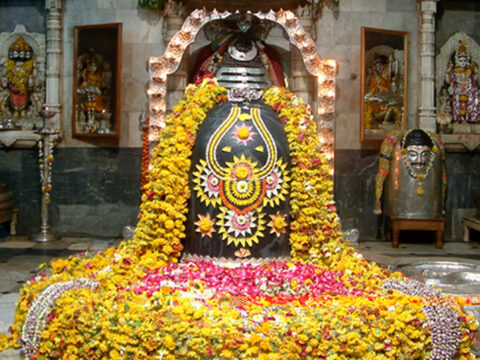

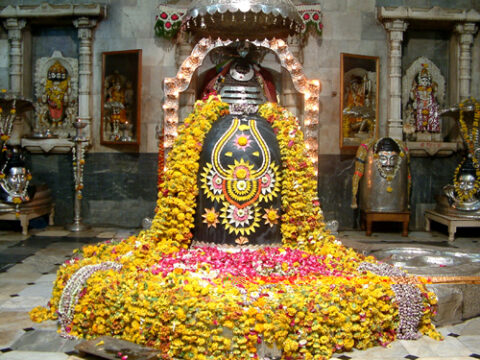
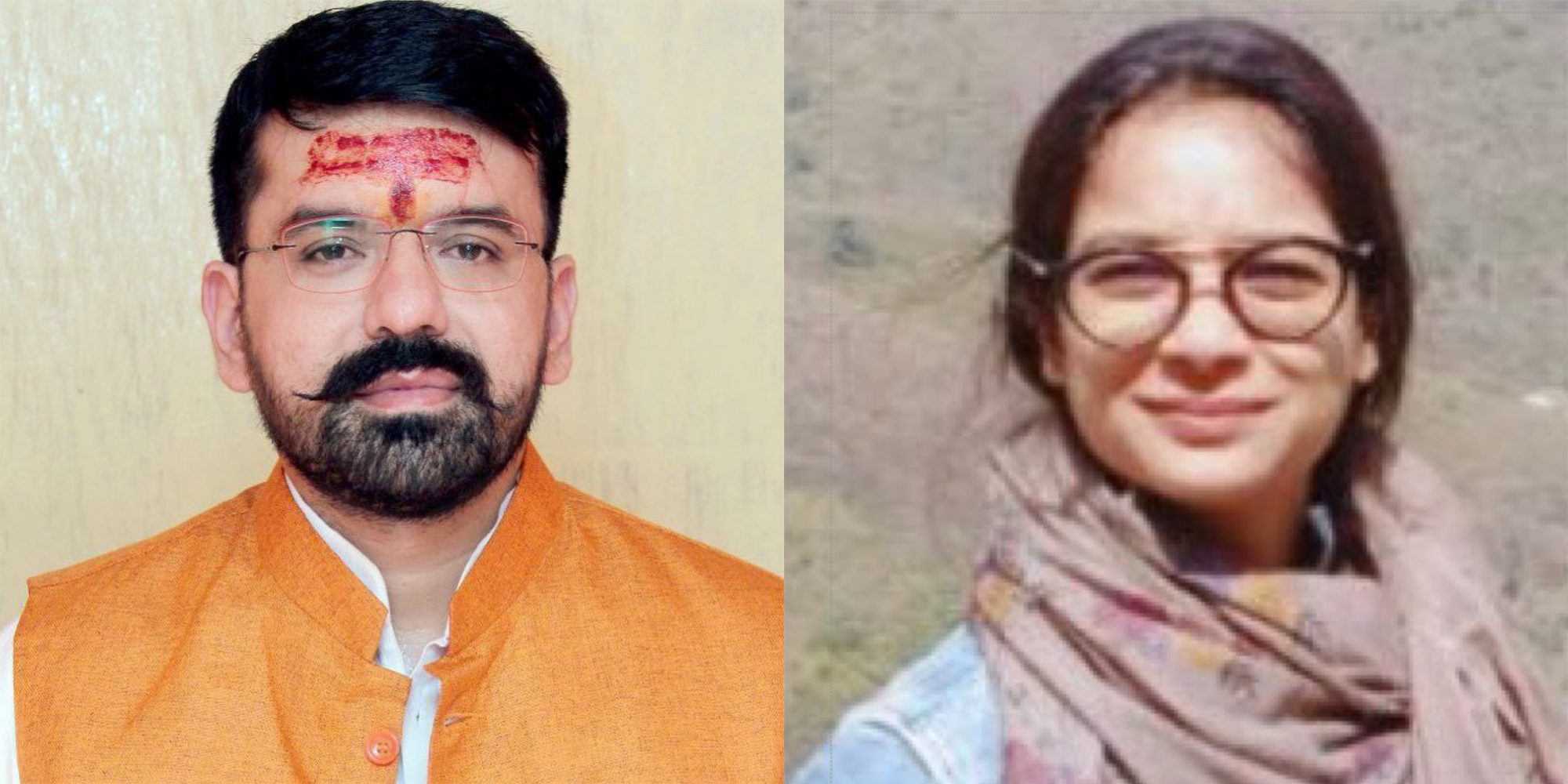 We have an excellent pandit Divākar ‘Deva’ Mishra, who is from the priests of Vindhyāvāsini Siddha Pīṭha to guide you through the hundreds of temples of Kāśi [Varanasi] and neighbouring regions. He can organise your pūjā, keep you safe and take care. He is supported by an English-speaking well-travelled spouse ‘Supriya Mishra’. Please contact them directly for any services, remedial pūjā and tours. They handled the 60+ member Kāśi Jyotiṣa Group 2022.
 DBC offers online courses in jyotish (Vedic Astrology) taught directly by Sanjay Rath as per the tradition, through narrated power points and other audio tools. The courses are at different levels, from the beginners through the intermediate to the advanced and are known as SoHamsa | DBC courses, with individual classrooms and assistant teachers
 Sagittarius Publications is the publisher and distributor the popular quaterly magazine the Jyotish Digest, as well as many thorough books on the subject of Vedic Astrology or Jyotish.