
Author: Sanjay Rath

Nagaraja Mantras
Naga means snake and other names are Bhujanga etc. Lord Shiva is worshipped in the form of Nageswara, one of…

Parasara Jyotisa Course 2021-25
Announcing the Parasara Jyotisa Course (PJC Mahadeva) 2021 taught by Pt. Sanjay Rath.
Course website https://pjceu.com/
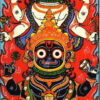
Vaishnava Nakshatra Devata
Introduction The vaishnava of Jagannath worship the nakshatra devata at the time of Ratha Yatra. These devata are associated with…

People’s Republic of China
The People’s Republic of China (PRC) was formally proclaimed by Mao Zedong on 1 Oct 1949 at 3:00 pm in…
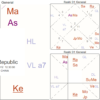
First Republic of China
Recent History of China Previously at the turn of the century (1899-1901), the “Boxer Rebellion” in Northern China tried to…
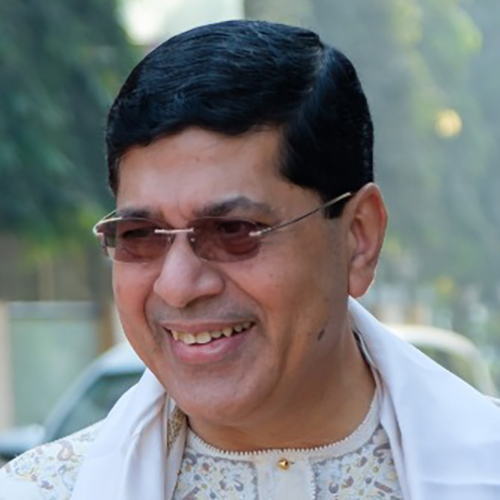
 We have an excellent pandit Divākar ‘Deva’ Mishra, who is from the priests of Vindhyāvāsini Siddha Pīṭha to guide you through the hundreds of temples of Kāśi [Varanasi] and neighbouring regions. He can organise your pūjā, keep you safe and take care. He is supported by an English-speaking well-travelled spouse ‘Supriya Mishra’. Please contact them directly for any services, remedial pūjā and tours. They handled the 60+ member Kāśi Jyotiṣa Group 2022.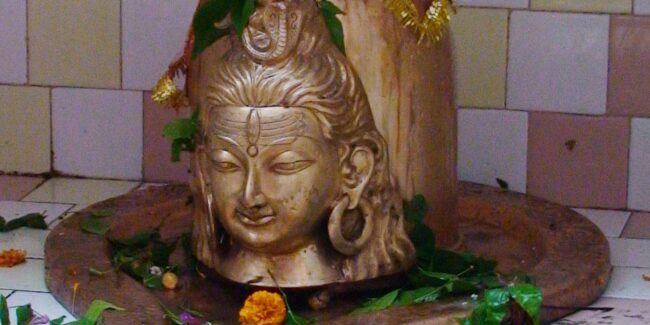




 DBC offers online courses in jyotish (Vedic Astrology) taught directly by Sanjay Rath as per the tradition, through narrated power points and other audio tools. The courses are at different levels, from the beginners through the intermediate to the advanced and are known as SoHamsa | DBC courses, with individual classrooms and assistant teachers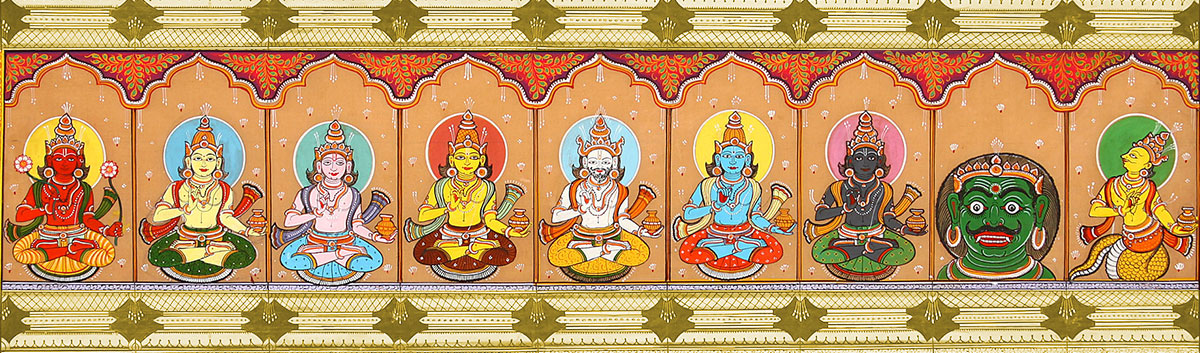
 Sagittarius Publications is the publisher and distributor the popular quaterly magazine the Jyotish Digest, as well as many thorough books on the subject of Vedic Astrology or Jyotish.