
Author: Sanjay Rath
Swami Vivekananda’s Passing
A New Finding by Chandrashekhar Chattopadhyay
(Translated from Bengali by Swami Chetanananda)
4th July 1902 was a memorable day. Swami Vivekananda, a great prophet of modern India, passed away at about 9:00 pm while he was in meditation. The flame of his life-lamp, which brightened the spiritual world, suddenly blew out in the deep darkness of night. The next morning this sad news spread throughout Calcutta and all over India. Swamiji’s disciple Kanai Maharaj (Swami Nirbhayananda) came to our house in Ahiritola and gave us the news. I was then busy performing worship in a temple nearby.
Sri Jayendra Saraswati
DOB: 18th July 1935 TOB: 07:00 PM IST POB: Irul Nekki (10 N 42)(79 E 26)
The Horoscope
Above is the chart of His Holiness the Sankaracharya of Kanchi Kamakoti peetham. Capricorn rises with a powerful Saturn & Moon conjunction in the second house. This combination in the 4th, 10th & 11th house gives Rajyog and in the 1st/10th house in Cancer can give Maharaj yog. In other trines it produces Kali Yoga (i.e. the person has to face a lot of strife & hardship and by worshipping Maha Kali Rajyog results).

Gunas in towns and villages
Rath wrote: Cities have tremendous satva guna to keep so many human beings together in such a small space but in the process the human beings tend to brush their rajas in a bad way thereby spoiling the beauty of the city.
Ramakrishna A : With respect to your above mail I have few queries. Could you please clarify?
While it is true that cities pack a lot of people in a small space, they don’t care for each other in cities. For example, most of the people in big apartments don’t even know who their neighbor is.
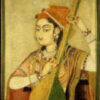
Khanna (Lilavati)
Note: The authenticity of this story is doubted but there is no doubt that Khanna or Lilavati was a great astrologer. We intend to present her great teachings in the recent future by translating some of her works. A television serial in the bengali language highlights her achievements.
Brief History
Kalidas, Varāhamihira, Ghata Karpura, Dhanvantari, Vararuchi, Vetāla Bhatt, Kṣayapanaka, Śaṅku and Amar Singh – these were the Navaratna (nine gems) in the court of Vikramaditya, the Maharaja of Ujjain. Among these experts Varāhamihira was the best in jyotiṣa (although one text is also attributed to Kalidas).
Introduction To Vāstu
The word Vaastu refers to a shelter, either for the self or deity. Vaastu Shastra means the science (shastra) of construction of a Vaastu whereas Shilpa refers to the art of making it aesthetic and appealing to the senses of the inhabitants of house/ building. The science of house building is very ancient in India.
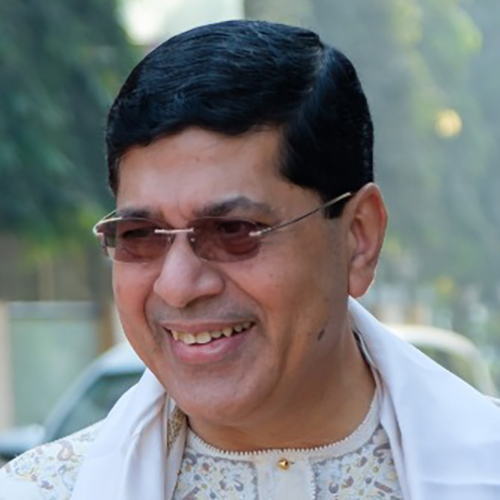
 We have an excellent pandit Divākar ‘Deva’ Mishra, who is from the priests of Vindhyāvāsini Siddha Pīṭha to guide you through the hundreds of temples of Kāśi [Varanasi] and neighbouring regions. He can organise your pūjā, keep you safe and take care. He is supported by an English-speaking well-travelled spouse ‘Supriya Mishra’. Please contact them directly for any services, remedial pūjā and tours. They handled the 60+ member Kāśi Jyotiṣa Group 2022.




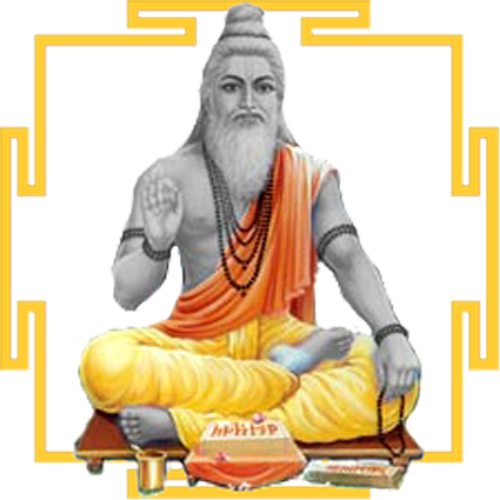 DBC offers online courses in jyotish (Vedic Astrology) taught directly by Sanjay Rath as per the tradition, through narrated power points and other audio tools. The courses are at different levels, from the beginners through the intermediate to the advanced and are known as SoHamsa | DBC courses, with individual classrooms and assistant teachers
 Sagittarius Publications is the publisher and distributor the popular quaterly magazine the Jyotish Digest, as well as many thorough books on the subject of Vedic Astrology or Jyotish.