Category: Jagannāth Viṣṇu

Nārāyaṇa Kavacha Part-1
In the Bhagavat Gita, Kṛṣṇa reveals His universal form (Viśvarūpa) to Arjuna which was so formidable for the great hero to even behold. Therefore, before jumping to worship Viśvarūpa, we need to see the teachings in the Śrīmad Bhagavataṁ. Bear in mind that the Viṣṇu avatāra are sustainer of things based on their specific forms.
There are at least three parts to the Nārāyaṇa Kavacha. The three principal parts are the
aṣṭākṣarī mantra ॐ नमो नारायणाय (om namo nārāyaṇāya). Aṣṭākṣarī means aṣṭa (eight) akṣara (syllable)
dvādasākṣarī mantra ॐ नमो भगवते वासुदेवाय (om namo bhagavate vāsudevāya).

Pañca Sakhā
The five Mahāpuruṣa of Orissa are the initiators of the lineages. Our lineage of Vedic astrology comes from the holy feet of Sri Achyutananda.
अच्युताय नमस्तुभ्यं गुरवे परमात्मने।
सर्वतन्त्रस्वतन्त्राय चिद्घनानन्दमूर्तये॥
acyutāya namastubhyaṁ gurave paramātmane |
sarvatantrasvatantrāya cidghanānandamūrtaye ||
Pancha Mahapurusha of Orissa …
Pancha means five and sakha means friends – it is noteworthy that just like Sri Krishna referred to Arjuna as a friend, so also did Chaitanya Mahaprabhu refer to these five Maha Purusha (great men) disciples of his as Pancha Sakha or five friends.
Wisdom of our tradition
This article is in continuation of a series on Das Avatara. Please read (1) Avatāra and (2) Dasa avatāra Overview before this article to get a complete picture.
We have shown the wisdom of our tradition in explaining that there is no real controversy about the list of dasa-avatāra and that each of the lists are meant for a specific purpose like Parāśara list of Iṣṭa devatā, Jayadeva modification for the Bhakti path and Jagannāth list for Dharma devatā.
Dasa avatāra Overview
Dasa avatāra or ten incarnations
Any list of ten incarnations can be made from the lists of various avatāra of Viṣṇu indicated above. However for identifying the ten principal avatāra of Viṣṇu symbolizing the highest potentate of the ten variables of Jyotiṣa (navagraha and lagna), we need to ensure that they belong to principal list of 22 incarnations or find mention in the Bhagavat Purāṇa. Other factors to consider include-
Guṇa avatāra are not to be selected as they are much above the navagraha and lagna which are in the three modes of sattva, rajas and tamas.
Avatāra
Avatāra
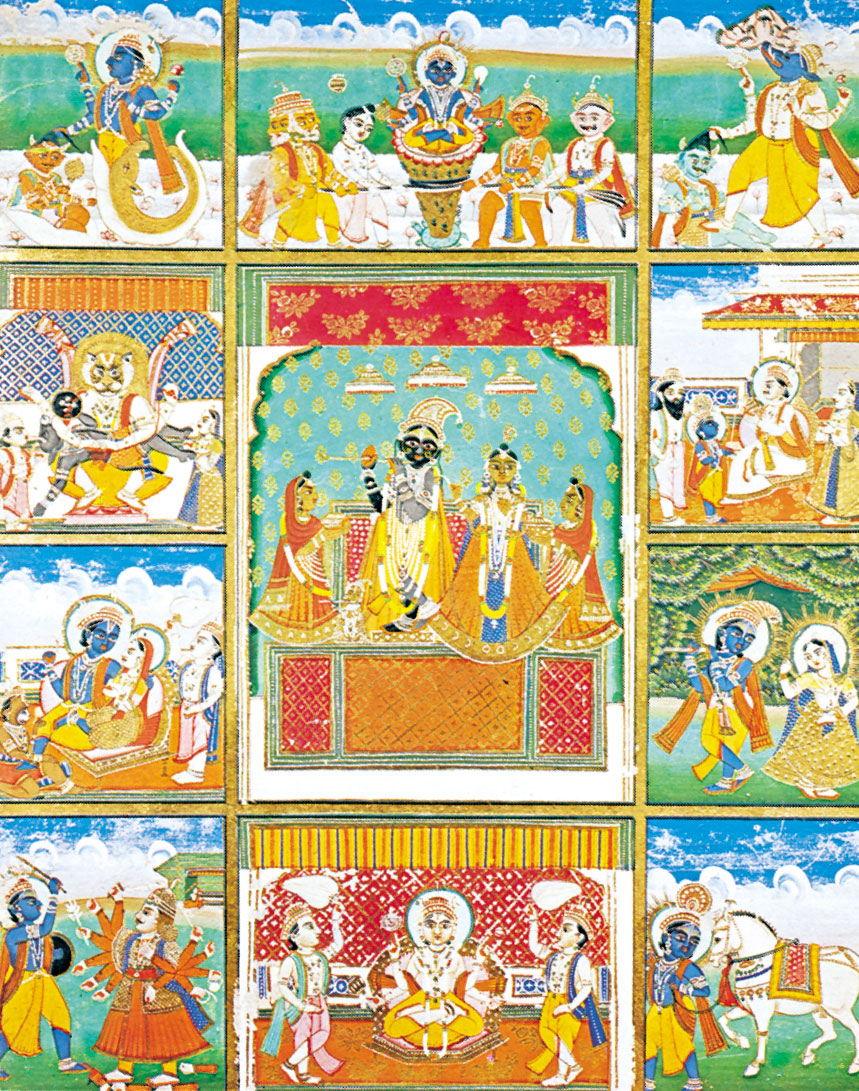
The Sanskrit word avatāraḥ is derived from ava meaning ‘down’ or descent and tarati meaning ‘crossing over or tiding over’ and refers to the deliberate descent of a deity, immortal being or the Supreme Being from heaven (normally Viṣṇu) for specific purpose(s).
 DBC offers online courses in jyotish (Vedic Astrology) taught directly by Sanjay Rath as per the tradition, through narrated power points and other audio tools. The courses are at different levels, from the beginners through the intermediate to the advanced and are known as SoHamsa | DBC courses, with individual classrooms and assistant teachers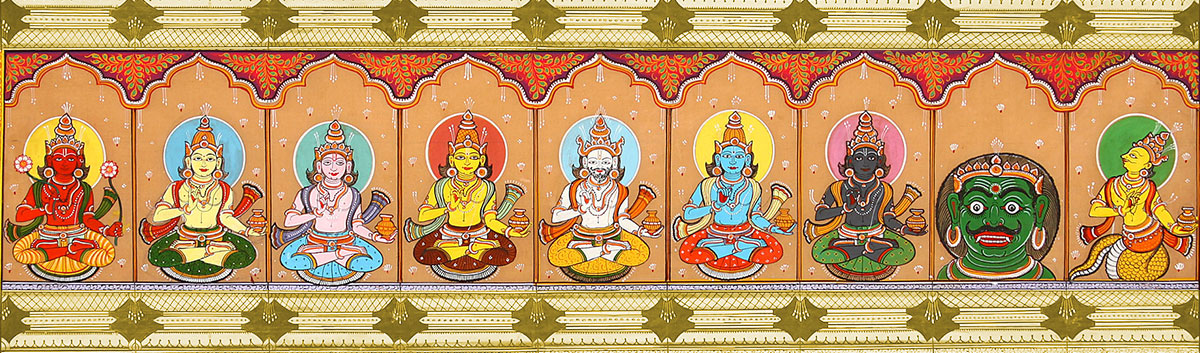
 Sagittarius Publications is the publisher and distributor the popular quaterly magazine the Jyotish Digest, as well as many thorough books on the subject of Vedic Astrology or Jyotish.
 We have an excellent pandit Divākar ‘Deva’ Mishra, who is from the priests of Vindhyāvāsini Siddha Pīṭha to guide you through the hundreds of temples of Kāśi [Varanasi] and neighbouring regions. He can organise your pūjā, keep you safe and take care. He is supported by an English-speaking well-travelled spouse ‘Supriya Mishra’. Please contact them directly for any services, remedial pūjā and tours. They handled the 60+ member Kāśi Jyotiṣa Group 2022.