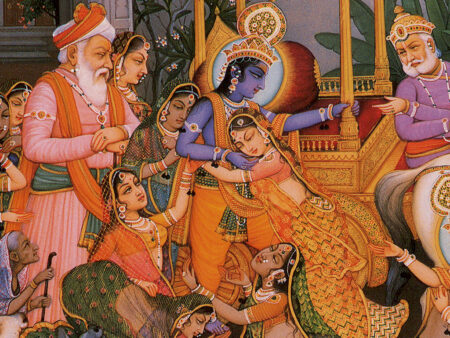
 Rudra kṛta Kṛṣṇa Mantra
॥ श्रीकृष्णस्य सप्तदशाक्षरो मन्त्रः॥ || śrīkṛṣṇasya saptadaśākṣaro mantraḥ ||
श्रीगणेशाय नमः। śrīgaṇeśāya namaḥ |
महादेव उवाचः।
mahādeva uvācaḥ |
Śrī Mahādeva spoke
ॐ श्रीं नमः श्रीकृष्णाय परिपूर्णतमाय च।
मन्त्रेषु मन्त्रराजोऽयं महान् सप्तदशाक्षरः॥ १॥
om śrīṁ namaḥ śrīkṛṣṇāya paripūrṇatamāya ca |
mantreṣu mantrarājo’yaṁ mahān saptadaśākṣaraḥ || 1||
“om śrīṁ namaḥ śrīkṛṣṇāya paripūrṇatamāya etc.,” is the mantra-rāja and is a mahā 17-syllable mantra
Actually the number of syllables in “om śrīṁ namaḥ śrīkṛṣṇāya paripūrṇatamāya” are fifteen. By adding ‘svāhā’ at the end of the mantra, it converts to seventeen syllable mantra. The reason why this last suffix has been left out is because it gives options to end the mantra with different ‘two syllable’ prayers. The options are –
1. om śrīṁ namaḥ śrīkṛṣṇāya paripūrṇatamāya namaḥ ✓
2. om śrīṁ namaḥ śrīkṛṣṇāya paripūrṇatamāya svāhā ✓
3. om śrīṁ namaḥ śrīkṛṣṇāya paripūrṇatamāya vauṣaṭ ✓
4. om śrīṁ namaḥ śrīkṛṣṇāya paripūrṇatamāya vaṣaṭ
5. om śrīṁ namaḥ śrīkṛṣṇāya paripūrṇatamāya huṁ phaṭ ✕
The first three are easily welcome to all mantras of Śrī Kṛṣṇa. However, one should try to avoid the astra (weapon seed endings) and (5) is not recommended.
सिद्धोऽयं पञ्चलक्षेण जपेन मुनिपुङ्गव।
तद्दशांशं च हवनं तद्दशांशाभिषेचनम्॥ २॥
siddho’yaṁ pañcalakṣeṇa japena munipuṅgava |
taddaśāṁśaṁ ca havanaṁ taddaśāṁśābhiṣecanam || 2||
Siddhi of the mantra occurs when it is (A) recited 500,000 times and (B) at the conclusion of japa, a havana (agni yajña following ṣoḍaśa upacāra pūjā) where 50,000 mantra offerings are made.
A mālā made of black tulasī is to be used for this sādhanā.
तर्पणं तद्दशांशं च तद्दशांशं च मार्जनम्।
सुवर्णानां च शतकं पुरश्चरणदक्षिणा॥ ३॥
tarpaṇaṁ taddaśāṁśaṁ ca taddaśāṁśaṁ ca mārjanam |
suvarṇānāṁ ca śatakaṁ puraścaraṇadakṣiṇā || 3||
Thereafter (C) tarpaṇa should be done with 5000 mantras and (D) mārjana should be done with 500 mantras. Finally, (E) conclude the ceremony with a donation of a hundred gold coins
Tarpaṇa is the offering of water through the fingers to the devatā
Mārjana is the purification ceremony
मन्त्रसिद्धस्य पुंसश्च विश्वं करतलं मुने।
शक्तः पातुं समुद्रांश्च विश्वं संहर्त्तुमीश्वरः।
पाञ्चभौतिकदेहेन वैकुण्ठं गन्तुमीश्वरः॥ ४॥
mantrasiddhasya puṁsaśca viśvaṁ karatalaṁ mune |
śaktaḥ pātuṁ samudrāṁśca viśvaṁ saṁharttumīśvaraḥ |
pāñcabhautikadehena vaikuṇṭhaṁ gantumīśvaraḥ || 4||
तस्य संस्पर्शमात्रेण पादपङ्कजरेणुना।
पूतानि सर्वतीर्थानि सद्यः पूता वसुन्धरा॥ ५॥
tasya saṁsparśamātreṇa pādapaṅkajareṇunā |
pūtāni sarvatīrthāni sadyaḥ pūtā vasundharā || 5||
॥ श्रीकृष्णस्य सप्तदशाक्षरो मन्त्रः समाप्तम्॥
|| śrīkṛṣṇasya saptadaśākṣaro mantraḥ samāptam ||
 DBC offers online courses in jyotish (Vedic Astrology) taught directly by Sanjay Rath as per the tradition, through narrated power points and other audio tools. The courses are at different levels, from the beginners through the intermediate to the advanced and are known as SoHamsa | DBC courses, with individual classrooms and assistant teachers
 Sagittarius Publications is the publisher and distributor the popular quaterly magazine the Jyotish Digest, as well as many thorough books on the subject of Vedic Astrology or Jyotish.
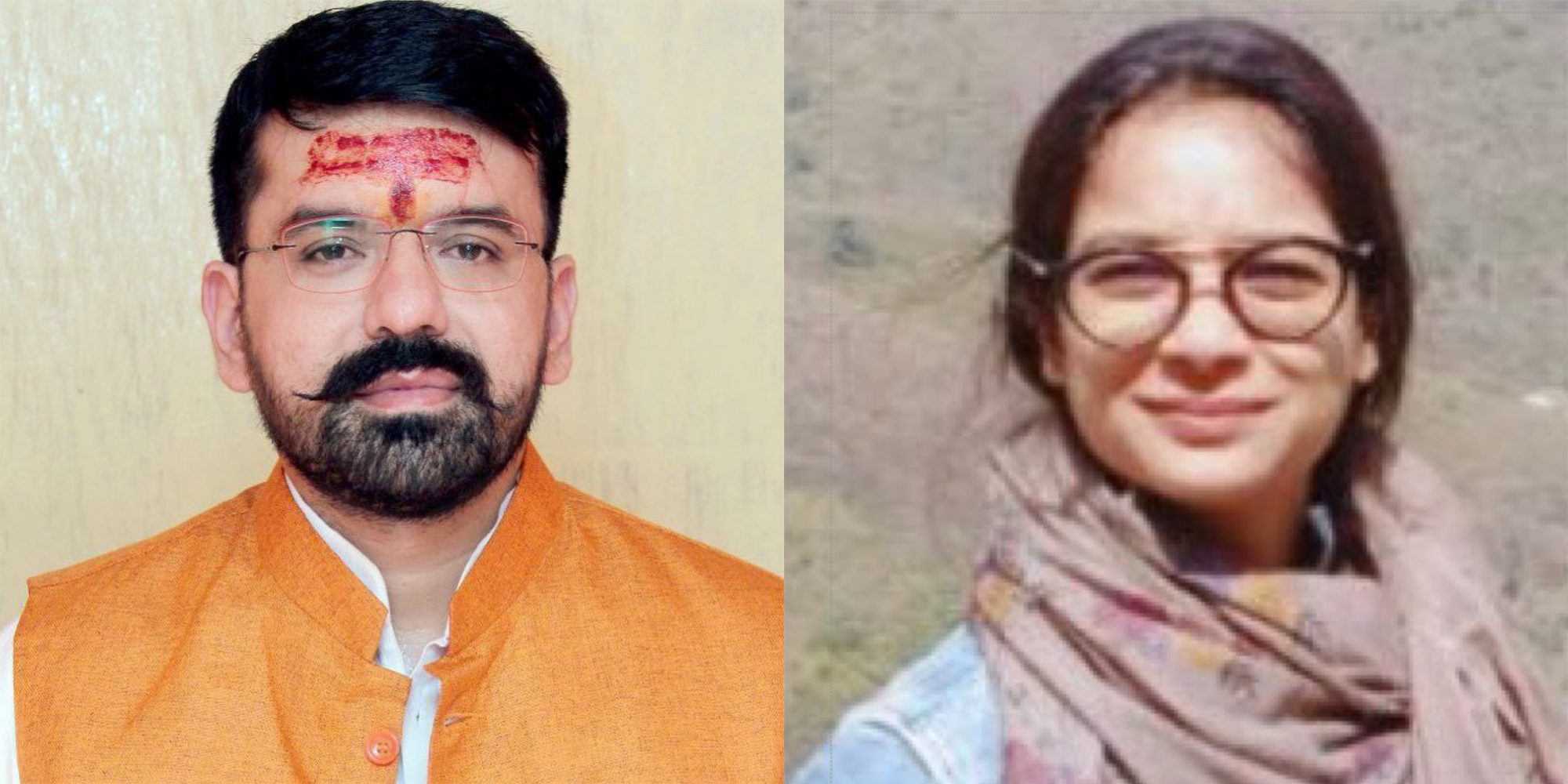 We have an excellent pandit Divākar ‘Deva’ Mishra, who is from the priests of Vindhyāvāsini Siddha Pīṭha to guide you through the hundreds of temples of Kāśi [Varanasi] and neighbouring regions. He can organise your pūjā, keep you safe and take care. He is supported by an English-speaking well-travelled spouse ‘Supriya Mishra’. Please contact them directly for any services, remedial pūjā and tours. They handled the 60+ member Kāśi Jyotiṣa Group 2022.
thank you god bless you